Green App Machine
Posts mit dem Label pages werden angezeigt. Alle Posts anzeigen

Facebook Testing Buy Buttons and Storefronts on Pages


By Sara Angeles, BusinessNewsDaily Staff Writer July 17, 2015 07:00 am EST


Facebook Testing Buy Buttons and Storefronts on PagesCredit: Facebook

Once upon a time, Facebook was just another way to create an online presence and market a business on social media. But the company is quickly claiming its stake on social media e-commerce.


Facebook is currently testing new tools that let merchants sell directly on their Facebook Pages, a report by BuzzFeed revealed. The company has been building online storefronts right on Facebook Pages, with some of the pages even featuring new buy buttons to sell directly to customers.


This new shops feature is just the latest of Facebook’s e-commerce initiatives. Just last year, the company launched buy buttons on sponsored posts, then unveiled Messenger payments shortly after. It’s only fitting that businesses will soon be able to use the social network as an all-in-one e-commerce solution. [Facebook for Business: Everything You Need to Know]


“With the shop section on the page, we’re now providing businesses with the ability to showcase their products directly on the page,” Emma Rodgers, product marketing manager at Facebook, said in a statement.


The new Facebook Page shops essentially allow businesses to use their Facebook Pages as online storefronts and the entire Facebook platform as an e-commerce solution. The platform will be complete with social media marketing, all the way down the sales funnel from product discovery to customer service and a checkout system.


Facebook Page shops won’t be limited to desktop, either. With most Facebook users accessing the social network on mobile phones, shops will also penetrate mobile commerce via the Facebook app. Shops will be displayed very visibly beneath the About section, making products for sale very hard to miss.


The Facebook Page shops platform is still very much in its early stages, however. For instance, there is still no search function for either products being sold or stores that currently have a shop on their Facebook Pages. BuzzFeed suggests that search would work similar to the current graph search feature; users could search by typing “shops with sales” or “stores that sell T-shirts” in the search bar.


Nonetheless, the new e-commerce tool promises to focus on the customer experience, with Facebook adding new “incremental features and capabilities,” Rodgers said.


The Facebook Page shops feature is currently being piloted by a number of undisclosed brands. Facebook has yet to announce when it will start rolling out the new service or how it will charge businesses, so that could mean anything from commissions to payment processing and transaction fees, or even a pricing model similar to that used for Facebook Ads.


Facebook Testing Buy Buttons and Storefronts on Pages

Facebook News Feed Reprioritizes Your Real Friends Above Pages


No one likes brands more than their friends, and there are plenty of ways to get their marketing updates. Facebook’s unique value is keeping you up to date on your real-life friends. So to “get this balance right” Facebook today announced it’s reconfiguring News Feed to show content from close friends higher up, which may push posts from business Pages further down.


A few other tweaks include relaxing the limit on posts shown from a single friend to people with little content in the feed, and showing fewer stories about when a friend Liked or commented on a post so it can give more room to what you’re interested in.


Combined, these updates, like several previous rounds of News Feed changes, could reduce visibility in the feed for Pages. While show more from friends might make the Facebook experience healthier in the long-run, it’s a tough pill to swallow for businesses who’ve built themselves up on Facebook referral traffic.


As competition for limited attention grows, brands have to either work harder to make truly entertaining content people want to see in their feed, or be forced to buy ads to boost their reach.


You

You’ll see fewer of these stories now


The Free Ride Comes To An End


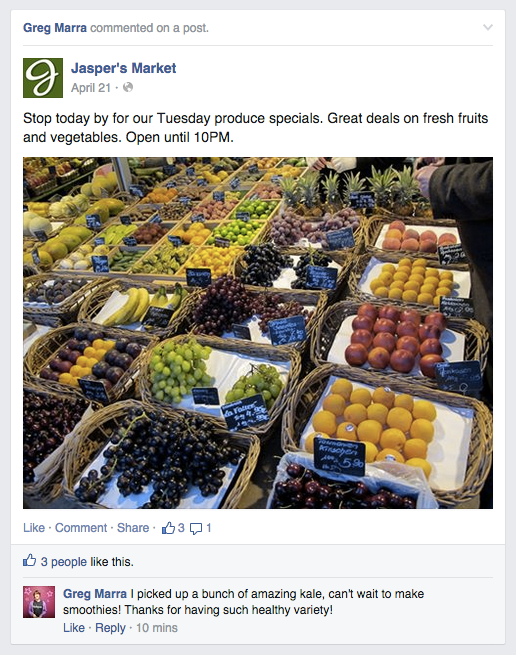
Once upon a time around 2009, Facebook needed brand content. It was trying to become the most interesting place on the web, so it let bands, fashion lines, sports teams, and news sites create Pages that could publish to the News Feed. Users could subscribe to the ones they wanted, and get news on all of them aggregated in the feed, augmenting the posts from friends.


But since then, Facebook has bashed face first into an inevitable math problem.


According to Zuckerberg’s Law, people share more online every year. Both people and Pages are posting more status updates, photos, videos, and links. Meanwhile, people are accumulating more Facebook friendships and Page subscriptions. But they’re not increasing the amount of time on the News Feed nearly fast enough to keep up with the increase in volume of content they might see.


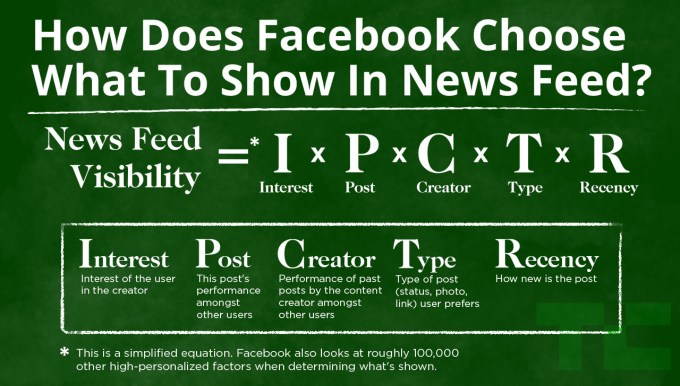
facebook-news-feed-edgerank-algorithm


More competition for limited attention equals a decrease in reach. For people, that’s not too big of a deal. If they get fewer Likes on their selfie, nothing that bad will happen. But the decrease in reach has been brutal for some businesses who overextended on the assumption that the referral traffic and sales they got from the Facebook Page’s News Feed posts would sustain or grow, not shrink.


But Facebook has little choice. If it prioritizes brands over friends, people won’t keep coming back to the News Feed, and soon there won’t be an audience for anyone. It had to give friends more weight in the News Feed to keep the social network strong for years to come.


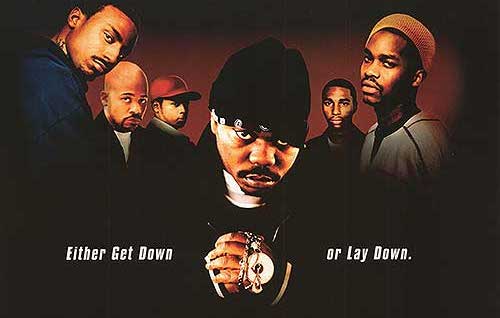
Get Down Or Lay Down


Many have suspected the reason Facebook decreased Page Reach was to con Pages into buying ads, but really, the drop in reach was unavoidable. Still, Facebook could use the lens of “We’re trying to make the experience better for end users” to pressure publishers to keep feeding it content in new ways.


In late 2012, I heard rumors of this plan, but it seemed far-fetched as Page reach was at its peak and Facebook was sending gobs of referral traffic to publishers and brands. But supposedly, Facebook was considering the idea of hosting publishers’ actual content, not just teaser previews and links to it, inside its News Feed. This way users wouldn’t have to click away from their friends and wait for sites to load to consume them.


Get Down Or Lay Down


Now the New York Times reports Facebook plans to test a way to host content from publishers like the New York Times in the coming months, with a potential ad revenue split. Users could read a whole article within Facebook. And thanks to Facebook’s massive scale and ad targeting prowess, it could show more relevant ads alongside the articles than the publishers could.


Since Facebook would consider avoiding extra clicks offsite as a better experience, it might be more willing to show this hosted content than links from publishers it doesn’t partner with. Depending on how aggressive Facebook gets with the plan, eventually, if you don’t partner with it, you could see your referral traffic dry up. For now, you either make non-spammy content that people actually want to see and that makes Facebook more fun, or you see your reach drop.


As they say in gangland, “Get down or lay down”.


Facebook News Feed Reprioritizes Your Real Friends Above Pages

Facebook alters visibility of user comments for corporate pages


A new Facebook initiative has turned down the heat a notch for companies that get a flood of negative comments on their home pages but, in the process, may create new challenges for users.


A recent revamp by the social media giant has quietly changed the game by collapsing users’ comments so that they no longer are readily visible on corporate pages. Rather, members have to click an icon to view them or look down the left-hand side of the page.


The tweak provides some relief to chains such as Lululemon Athletica Inc. or Target Corp.’s Canadian division, whose missteps have prompted considerable customer wrath in Facebook comments over the past couple of years.


Still, the changes go against the grain of open dialogue that Facebook has encouraged between companies and consumers and risk turning off consumers, some industry watchers say.


“It’s detrimental because it defeats the whole primary purpose of Facebook, which is to engage the audience,” said Jean-Pierre Lacroix, president of retail consultancy Shikatani Lacroix Design Inc. “It’s making it harder for consumers to engage with their brands.”


The revamp earlier this year underscores the challenges that companies face in grappling with harsh feedback about their initiatives on social media and elsewhere on the Internet. As Facebook courts firms to advertise, it is making moves that could minimize public criticism of companies. But the efforts threaten to dissuade consumers from heading to their pages.


Facebook spokeswoman Meg Sinclair said it collapsed the comment posts because “it creates a better experience for people” especially as more members shift to using the site on mobile devices. The change was not made in response to requests from brands, she said.


On corporate pages, the potential audience “is everyone in the world who likes that page” while on personal profiles – where comments are more visible – the audience is mutual friends or acquaintances; “therefore, comments are likely to be more relevant,” she said.


“We always try to show only the most relevant content to people, especially in prime real estate like the News feed,” she said.


Companies still get negative comments on Facebook and some, such as fast-food chain McDonald’s Canada, have dropped the column of comments from the left-hand side of their page.


McDonald’s, which has run its own campaign to respond to questions about its food, will monitor on Facebook “the level of engagement, feedback and sentiment we see as a result of this change,” spokeswoman Jeanette Jones said.


Already the chain’s digital agency, DDB Tribal, has found that McDonald’s and its other clients have received fewer comments following the change, although it had no data on the decline, she said. She added McDonald’s uses other forums to engage with Canadians and “we are always looking for new ways and opportunities to hear from them.”


Lululemon faced a rising tide of complaints on its Facebook page in 2013 when it suffered major product-quality problems. Today, the luxury retailer faces consumers calling for it to stop using down in its coats, although these complaints on its Facebook page aren’t nearly as conspicuous as previously. Lululemon declined to comment.


Target Canada, which is pulling out of this country, struggled with massive pushback on its Facebook page about complaints of overly high prices and empty shelves.


The changes come amid other overhauls that Facebook has made for businesses using its site as it tries to shore up its advertising revenue.


In November, Facebook started to reduce the amount of brand-page content that shows up in the news feeds of its 1.3 billion users, essentially forcing companies to pay for marketing.


Facebook now requires that brands pay to “boost” a post if they want users to see it, although in return it allows a company to better target paid posts to people according to location, age, language and other demographics.


The changes “created a big outcry among brands,” said Dave Fleet, senior vice president of communications firm Edelman Digital. “Facebook told them to build their organic communities, and then Facebook changed its strategy. It is a bit of reality to the platform: Facebook’s a public company, they have to make money.”


Mr. Lacroix said Facebook’s initiatives are aimed at increasing its ad revenues. They help Facebook make companies’ pages more attractive partly by de-emphasizing users’ negative comments, he said. “Having a lot of negativity on their pages isn’t so good for their brand.”


Added Mario Zelaya, founder of digital marketer Majestic Media: “You don’t want your brand to be bombarded with negative sentiment or have customer-service issues at the top of the page. If I were a brand, I would be happy with the change.”


Facebook alters visibility of user comments for corporate pages